What is a supply chain control tower?
The control tower at an airport manages safe and efficient movement of air traffic, overseeing takeoffs and landings. Similarly, in logistics, a supply chain control tower serves as a central hub, monitoring, analyzing and directing operations across the supply chain.
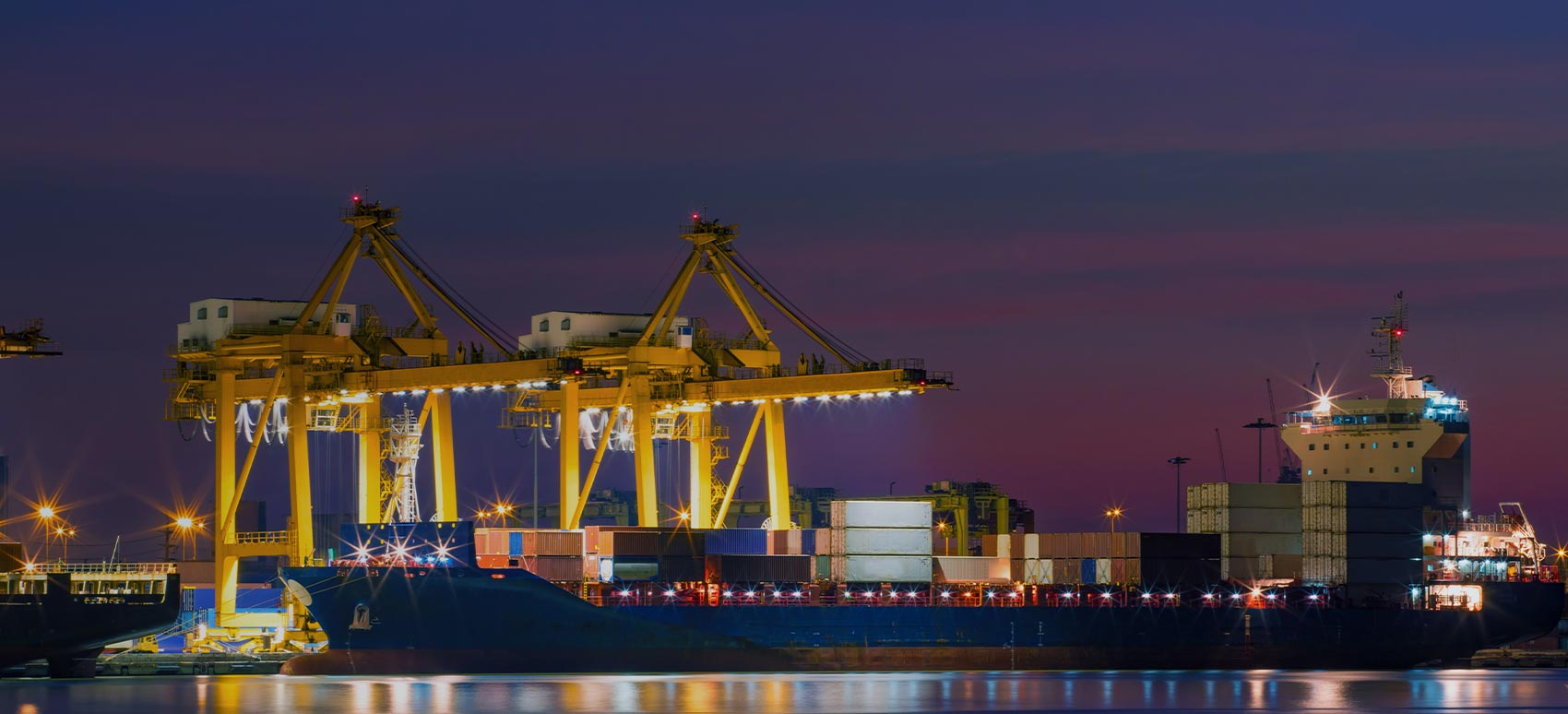
A control tower centralizes activities and manages transport flows
-
Central Hub
It monitors, analyzes and directs operations across the entire supply chain or specific segments. -
Comprehensive Management
The control tower oversees transport flows from order receipt to shipment delivery and handles administrative tasks such as carrier payments, billing and reporting on behalf of customers. -
24/7 Operation
It operates continuously, consolidating all transport functions and staying interconnected with the global network. The control tower leverages a broad skill set and extensive industry knowledge to effectively address and resolve customer issues.
Supply chain control tower benefits
Supply chain control towers offer numerous advantages, especially for businesses with complex supply chains or multiple carrier transactions. They serve as a central information hub, collecting, standardizing and integrating data from various sources, which enhances overall efficiency.
-
Increased visibility that helps reduce lead times and improve delivery accuracy
Leverage end-to-end visibility tools to gain a comprehensive view of the entire supply chain or its segments. This unified perspective enhances monitoring and management, contributing to reduced lead times, improved delivery accuracy and better decision-making and optimization.
-
Predictive analytics for improved decision-making
Use advanced analytics and real-time data to anticipate disruptions, make data-driven decisions and enhance strategic choices, reducing network failures and optimizing operational efficiency. -
Fewer network failures
Identifies and addresses potential issues before they disrupt the supply chain, supported by predictive analytics and real-time data, to ensure smoother operations. -
Optimization of routes and resources, leading to cost reductions
Employ optimization algorithms to streamline routes and resource allocation, improving supply chain efficiency and possible cost savings. -
Integrated supply chain
Enhances coordination across various supply chain segments and transportation modes, improving overall efficiency and responsiveness. -
Reduced compliance penalties
Ensures adherence to regulatory requirements through integrated supply chain management, minimizing risks of fines and penalties by maintaining compliance.
Supply chain challenges
Many businesses have challenges with managing their supply chain. Some of these challenges are due to:
-
Data and application Silos
Fragmented data and disconnected systems hinder a cohesive view of the supply chain. -
Lack of know-how, tools and technologies
Insufficient tools and expertise limit the ability to generate actionable insights. -
Lack of predictive and prescriptive capabilities
Without advanced forecasting and decision making tools, anticipating and addressing potential issues becomes challenging. -
Lack of off-the-shelf solutions
The absence of adaptable solutions complicates quick responses to changing needs.
Is a control tower right for your business?
A control tower solution is highly beneficial for
-
Complex supply chains
Especially those spanning multiple countries or involving numerous transactions. -
High dependency
Supply chains with critical dependencies and high operational requirements. -
Challenging service requirements
Scenarios that demand high levels of service and responsiveness.
If your business has a complex supply chain, spans multiple countries or faces challenging service requirements, a supply chain control tower may be ideal. The scope can be customized to fit your needs, from managing raw material supplies to full end-to-end control.
With real-time logistics and supply chain visibility, businesses can track shipments, monitor performance and gain insights into areas needing improvement. The control tower ensures timely deliveries, optimized routes and overall operational efficiency, providing a competitive edge in today's fast-paced market.
Companies using control towers have experienced savings on logistics costs, reduced inventory and improved service levels, including on-time delivery, quality and responsiveness.
FAQ Section
A control tower is a central hub where a team of professionals manages various aspects of the supply chain. It offers uniform invoicing and reporting and gathers and integrates data from multiple sources into a consistent format.
What are the benefits of using control towers?
Control towers streamline logistics operations by providing an integrated overview of the supply chain. They enable early detection of performance deviations, facilitate data-driven decision-making and help maintain optimal inventory levels.
What is the difference between a control tower and a lead logistics provider?
What is the difference between a supply chain control tower and a control tower for road transport?
Does a control tower cover different countries?
Which type of business could benefit from a control tower solution?
Is a control tower always a standard solution?
Who manages a control tower?
Road Control Tower
Remove the complexity from your road freight and focus on your core strengths