Due to the ongoing tensions in the Middle East, air and sea freight operations in the region remain under pressure. Airspace restrictions, adjusted shipping routes and additional safety measures are causing disruptions to transport flows, longer transit times and uncertainty within international supply chains. Read on for the latest update.
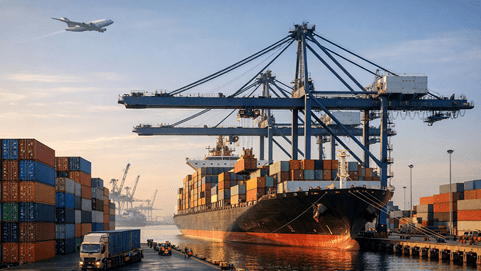
Airand shipping lines are currently introducing various surcharges as a result of the increased risks and operational adjustments in the region. These additional costs may include war risk surcharges, fuel surcharges and operational costs caused by diversions and longer sailing routes. These surcharges may apply to cargo that is already in transit, as well as to existing and new bookings.
When these surcharges are implemented by carriers or other parties within the supply chain, we unfortunately have no choice but to pass them on.
To help cover these additional costs resulting from the current situation in the region, DSV has introduced an Emergency Surcharge for sea freight. Depending on the route and shipment, this surcharge may apply to both FCL and LCL shipments.
Naturally, we will continue to inform customers as transparently as possible. Your DSV contact person can advise whether this surcharge also applies to your shipments.
The situation currently varies significantly by airport across the region and may also differ by airline. Some airports are fully closed, others are operational only for a few hours per day, while several airports currently appear to remain fully operational.
As airlines avoid large parts of the affected airspace, we expect longer flight times, higher fuel consumption and reduced load capacity per flight.
As a result, available capacity may come under further pressure and air freight rates may increase due to longer routings and higher fuel costs.
Shipping lines continue to operate their services, but with increased caution to ensure the safety of their vessels, crews and customers’ cargo. As a result, some carriers are adjusting their routes or avoiding certain areas in the region.
Several ports in the region are currently either closed or operating with restrictions. The Strait of Hormuz is completely closed to all commercial container shipping, meaning that direct access to the Arabian Gulf is currently not possible. Major shipping lines are also avoiding the route via the Red Sea, forcing vessels to take alternative routes and significantly increasing sailing times.
For LCL shipments, we are currently unable to accept IMO cargo for destinations across the entire Middle East until further notice.
These operational adjustments may therefore result in longer sailing routes, revised sailing schedules and additional costs. In addition, some shipping lines are introducing further surcharges to compensate for the increased operational risks and costs. Customers should therefore anticipate possible delays, capacity constraints and rate adjustments for shipments to and from the region.
To minimise disruptions and ensure the continuity of our services, DSV has activated several contingency measures. These measures are aimed at supporting our customers in the current market conditions by:
The situation in the Middle East continues to evolve and may change at short notice. We will continue to closely monitor developments and inform our customers as soon as new relevant information becomes available.
Do you have shipments that may be affected by this situation, or would you like advice on alternative routings and transport options? Please contact your local DSV representative. Our teams are ready to support you with up-to-date information and solutions tailored to your specific shipments.
Our experts are ready to help. Get in touch and we'll find the solution you need.